
Arias Maritime Training
Comprehensive Maritime Safety Training for Professional Mariners and Shipyard Workers
About Arias Maritime Training
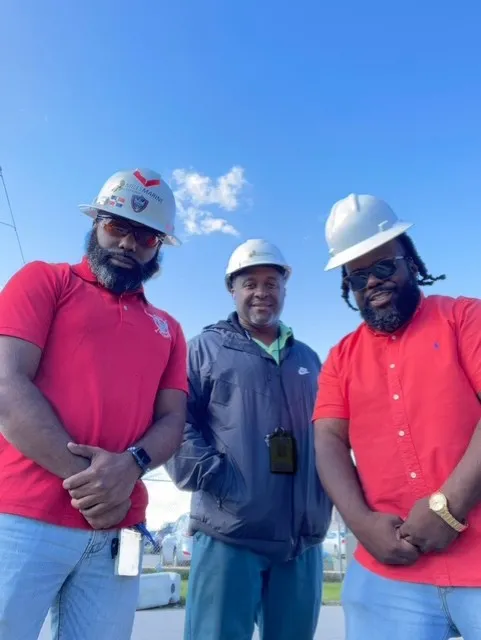
Arias Maritime Training is a leading provider of specialized maritime safety and compliance training programs designed for professional mariners, civilian defense contractors, and shipyard trade technicians. Our mission is to equip workers with the knowledge and certifications necessary to maintain the highest safety standards in maritime environments, ensuring compliance with OSHA regulations and industry best practices.
We offer comprehensive, industry-specific training programs that address the unique hazards and challenges of maritime work. From shipyard employment safety to hazardous material handling and fire prevention protocols, our expert instructors deliver practical, hands-on education that protects workers and helps organizations meet their regulatory obligations. Whether you're entering the maritime industry or advancing your career, Arias Maritime Training provides the certifications and expertise you need to succeed safely.
Our Training Programs
OSHA 30-Hour & 10-Hour Maritime Shipyard Employment Course
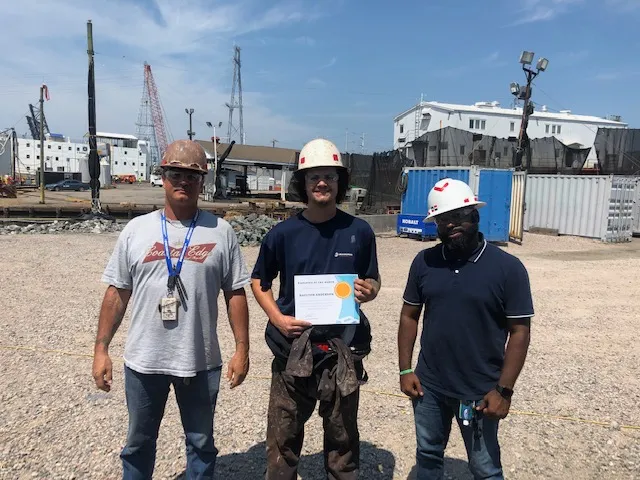
A specialized training program for workers involved in shipbuilding, ship repairing, and shipbreaking. Covers hazard identification, abatement, and safety regulations specifically tailored to shipyard and marine environments, ensuring full OSHA compliance.
Hazardous Materials & Respiratory Protection Training
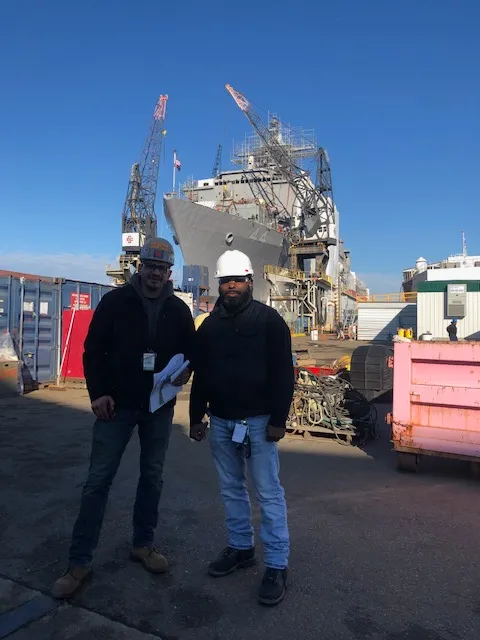
Comprehensive training on handling toxic substances including Hexavalent Chromium (CrVI) and proper respiratory protection equipment. Covers OSHA 29 CFR 1910.134 standards, equipment maintenance, user seal checks, medical evaluation requirements, and fit testing procedures.
Fall Protection & Fire Prevention in Maritime Environments
Expert instruction on Personal Fall Arrest Systems (PFAS) inspection, fitting, and use, combined with fire prevention protocols for ship repair operations. Covers emergency rescue procedures, Hot Work permits, flammable material isolation, and compliance with OSHA and NFPA regulations.